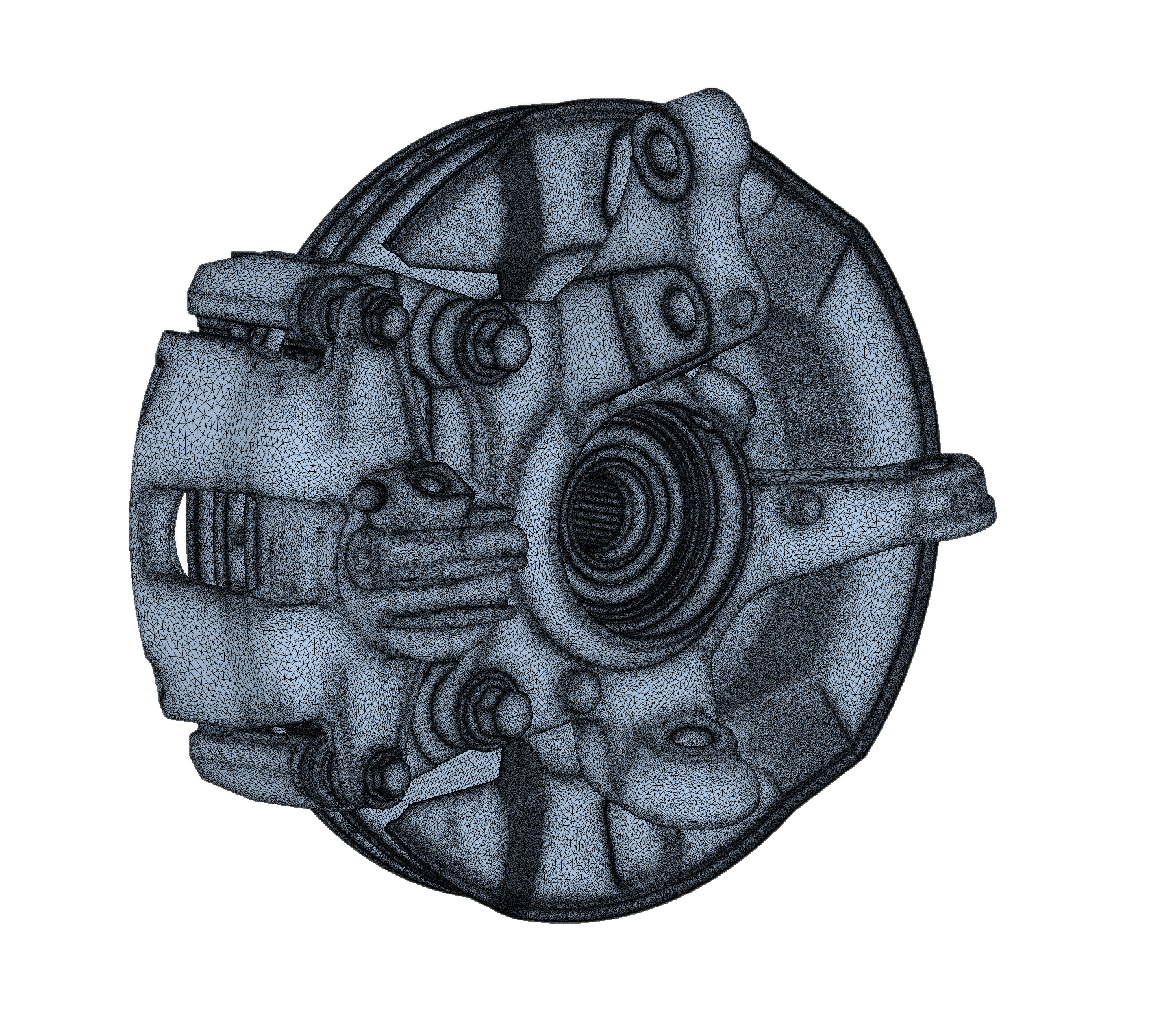
GEOMETRY AI
AI-POWERED PRE-PROCESSING
Automate geometry pre-processing with an AI-powered platform that turns raw CAD into simulation-ready models while maintaining geometric fidelity and design intent.
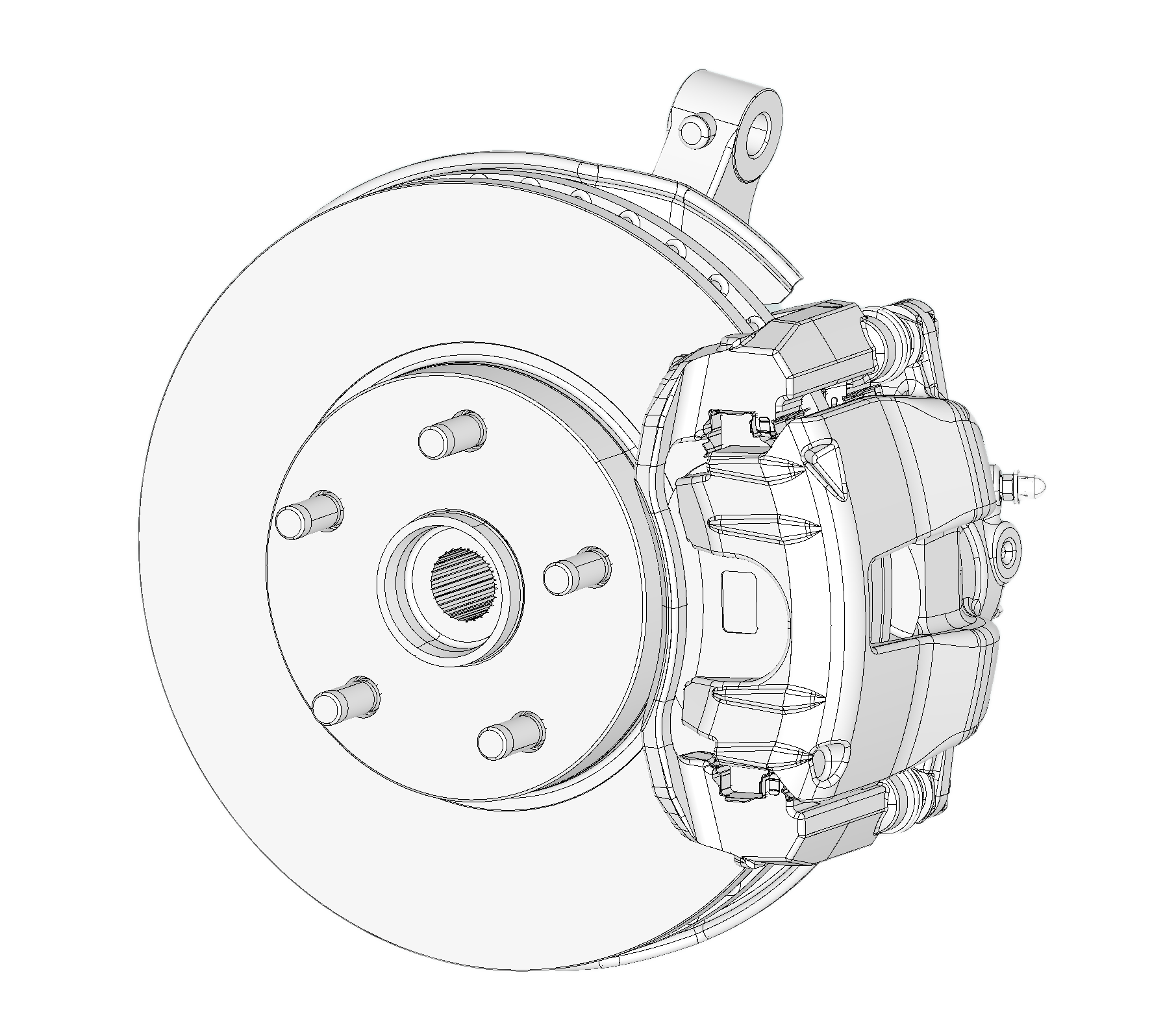
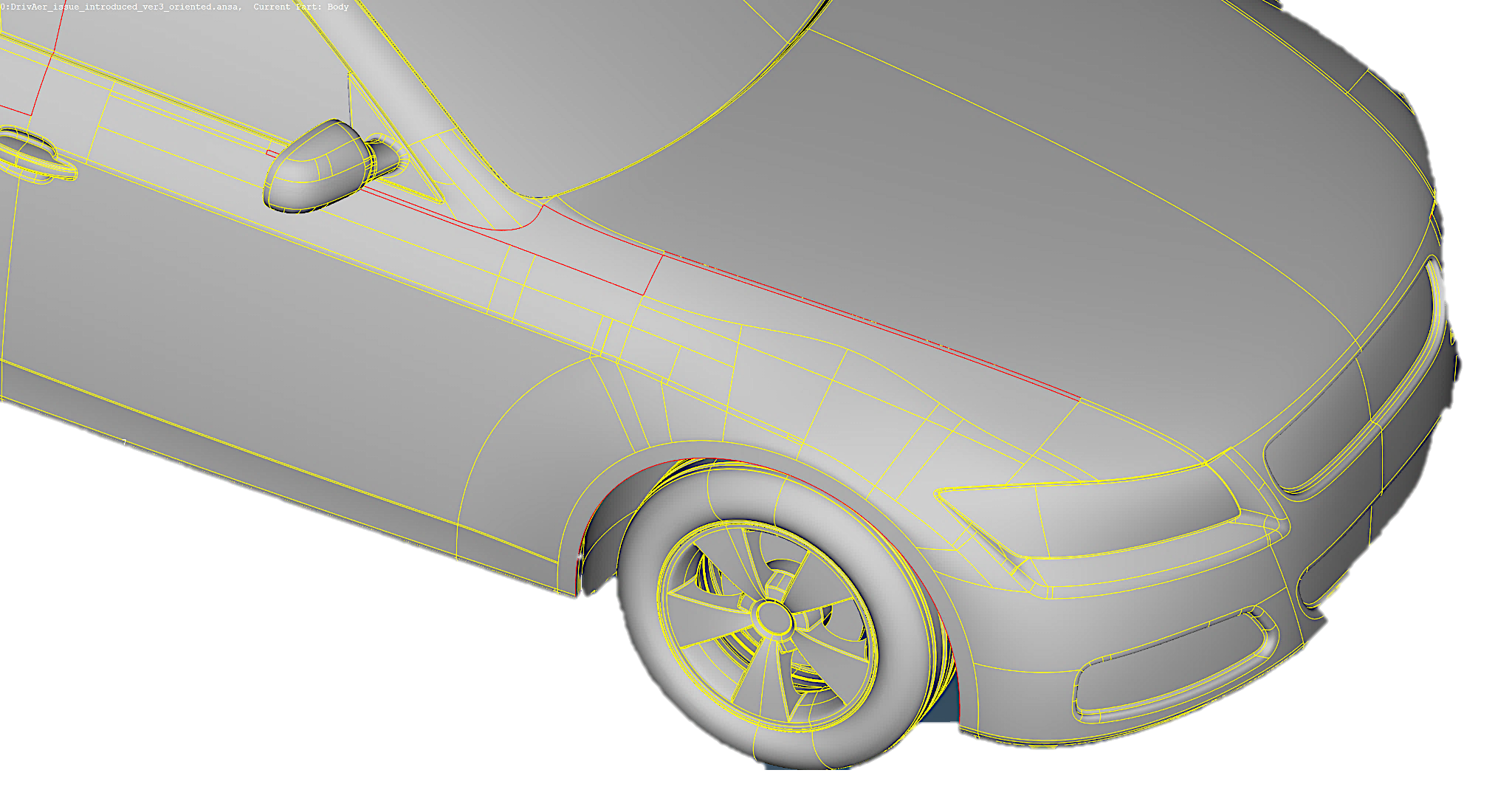
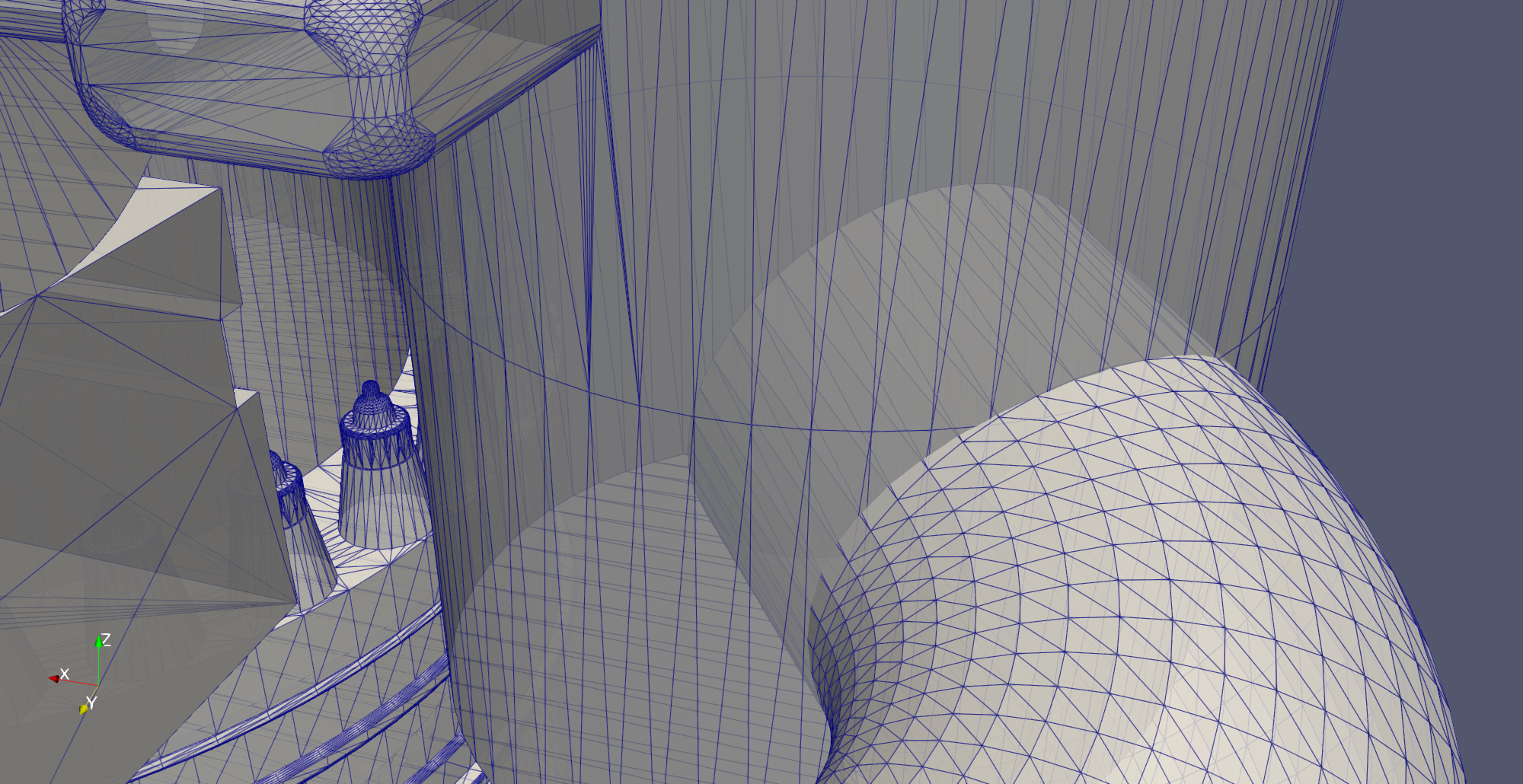
Highly sophisticated AI interprets raw, dirty geometry, including gaps, overlaps, and disconnected surfaces.
AI maps the model to reconstruct the object in 3D, recovering the true shape from fragmented or inconsistent surface data.
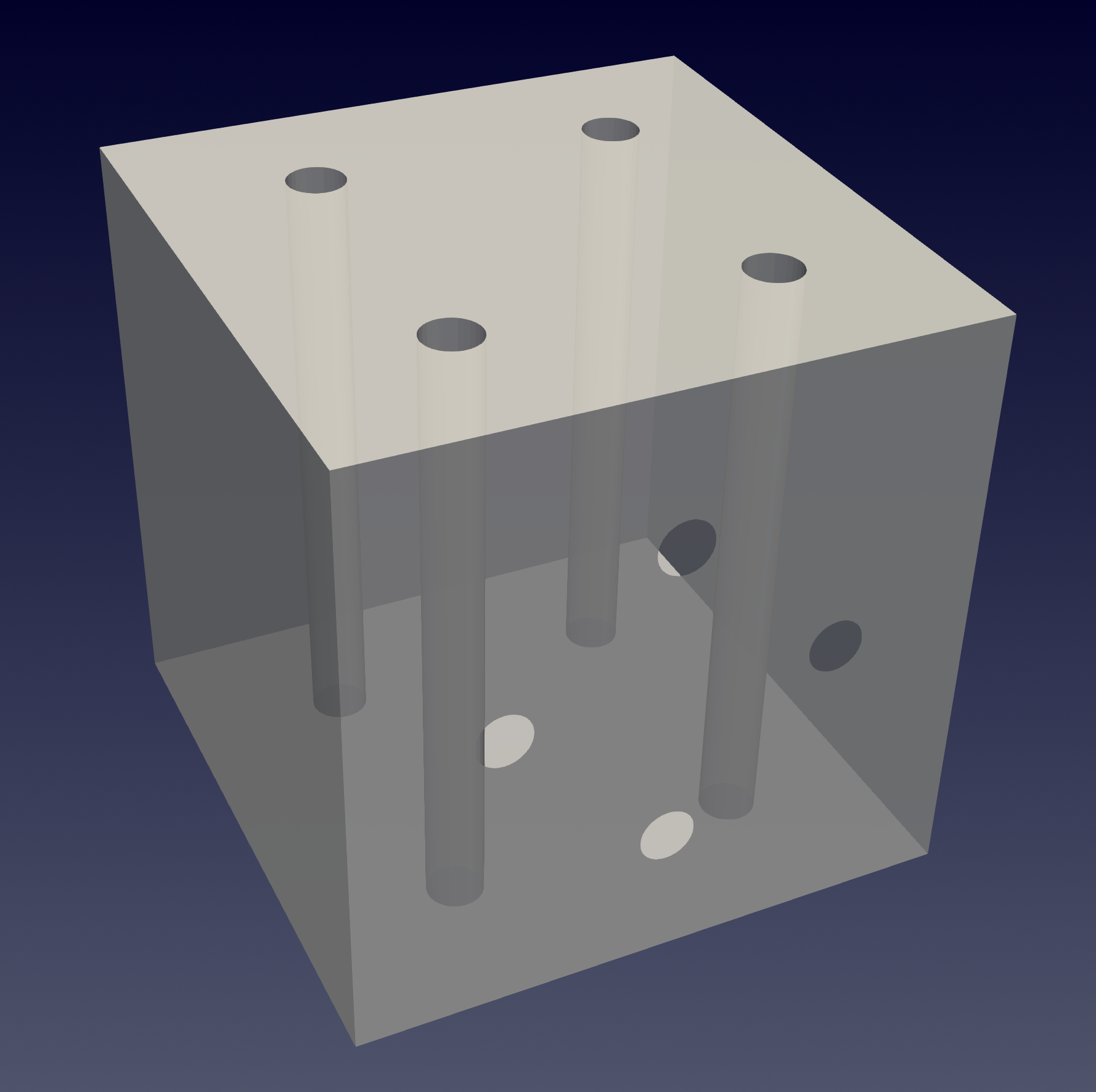
AI reasons about spatial relationships in imperfect CAD to form a valid simulation domain, even when parts are misaligned or incomplete.
| GeometryAI | Traditional Preparation | Wrapping Methods | |
|---|---|---|---|
| Maintains design geometry and intent | ✓ | ✓ | — |
| Preserves small features and thin structures | ✓ | ✓ | — |
| Fully automated preparation | ✓ | — | ✓ |
| Reduces human-in-the-loop preprocessing | ✓ | — | ✓ |
| Repeatable across physics disciplines | ✓ | — | — |
| Produces consistent simulation-ready geometry | ✓ | — | ✓ |
| Designed for agent-driven automation | ✓ | — | — |
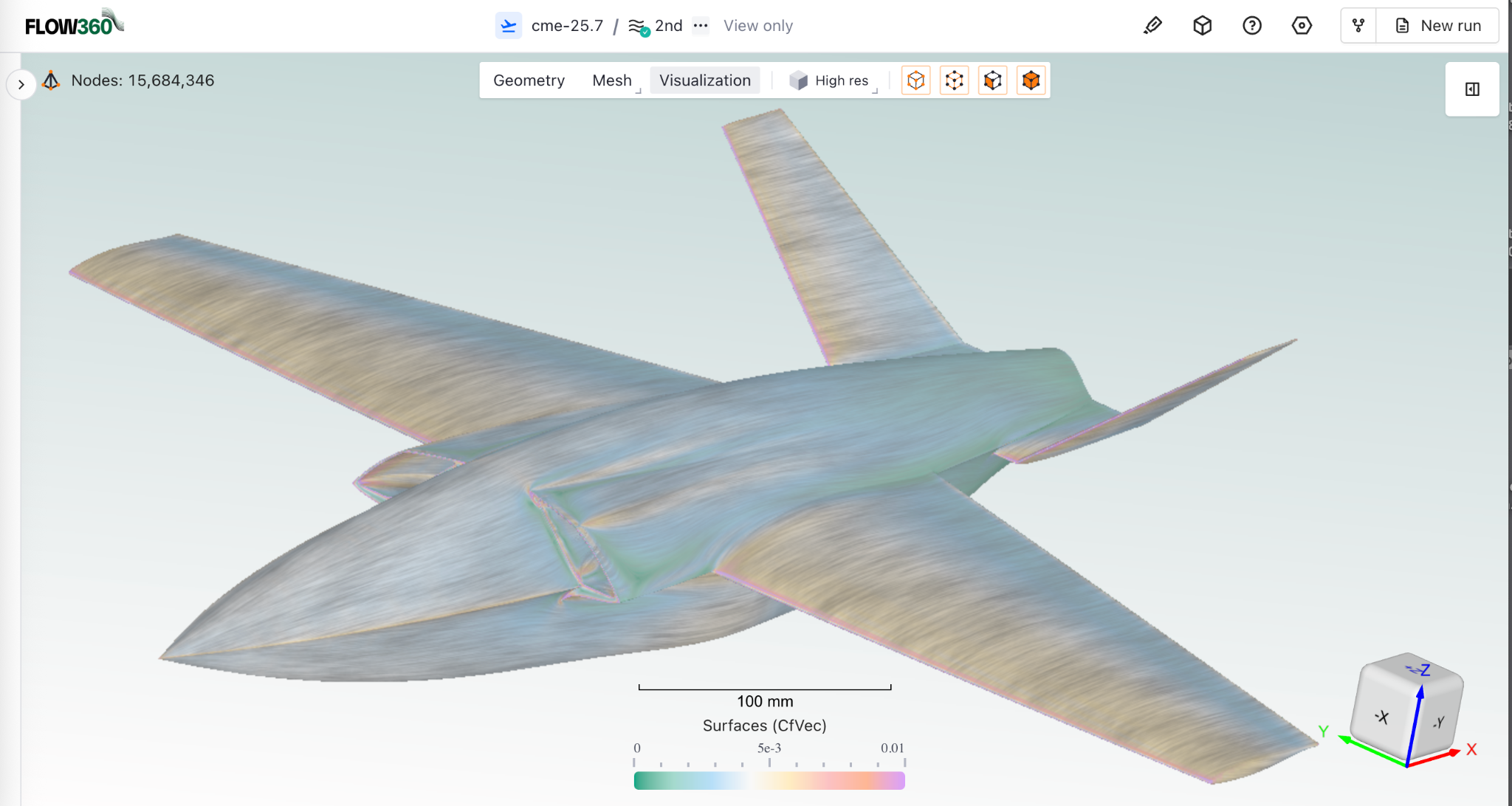
GeometryAI provides a complete geometry preparation platform for simulation, combining automated repair, intelligent healing, and workflow integration into a single system. The platform supports real-world CAD and prepares consistent, simulation-ready geometry across disciplines and use cases, for both interactive engineering workflows and automated pipelines.
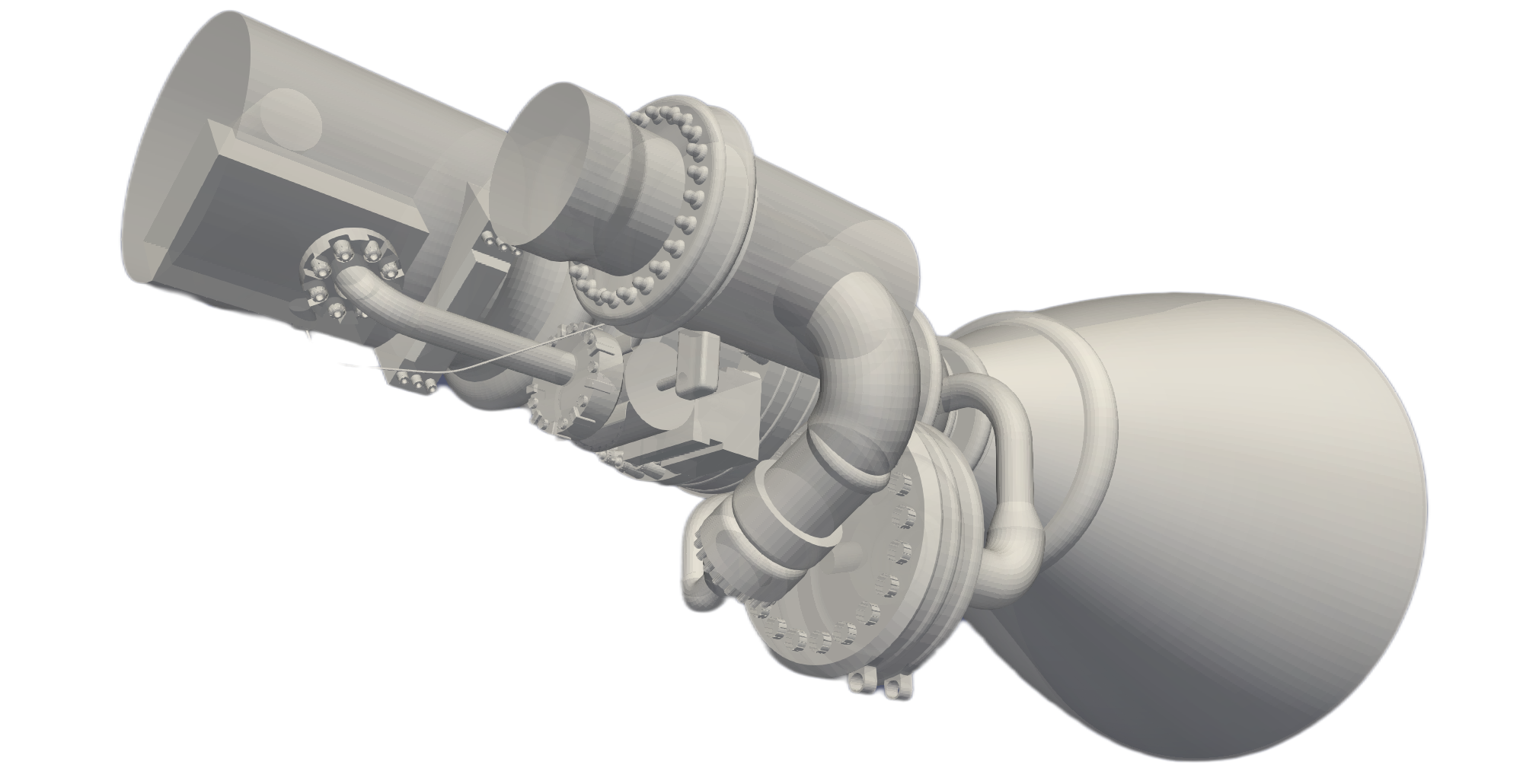
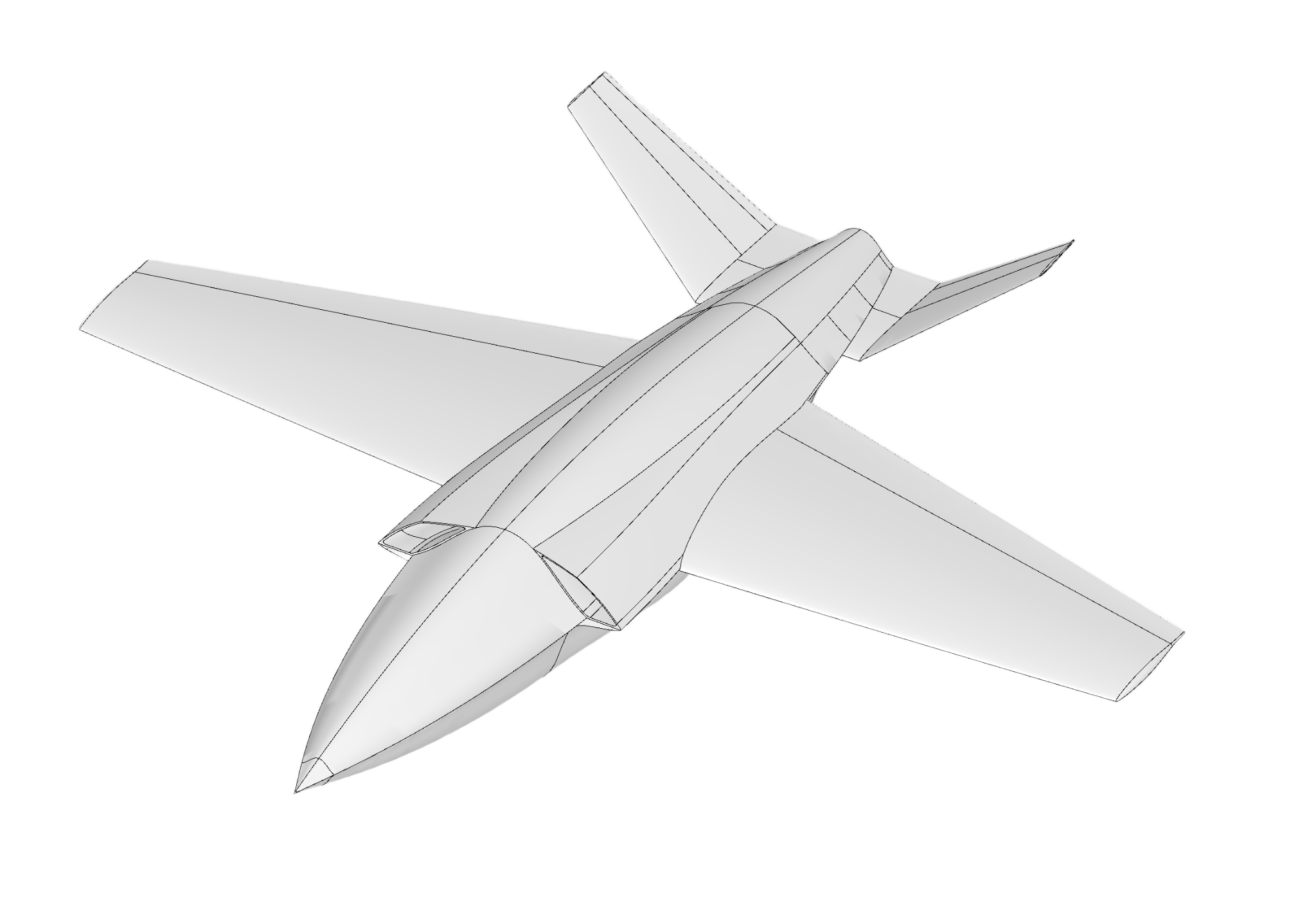
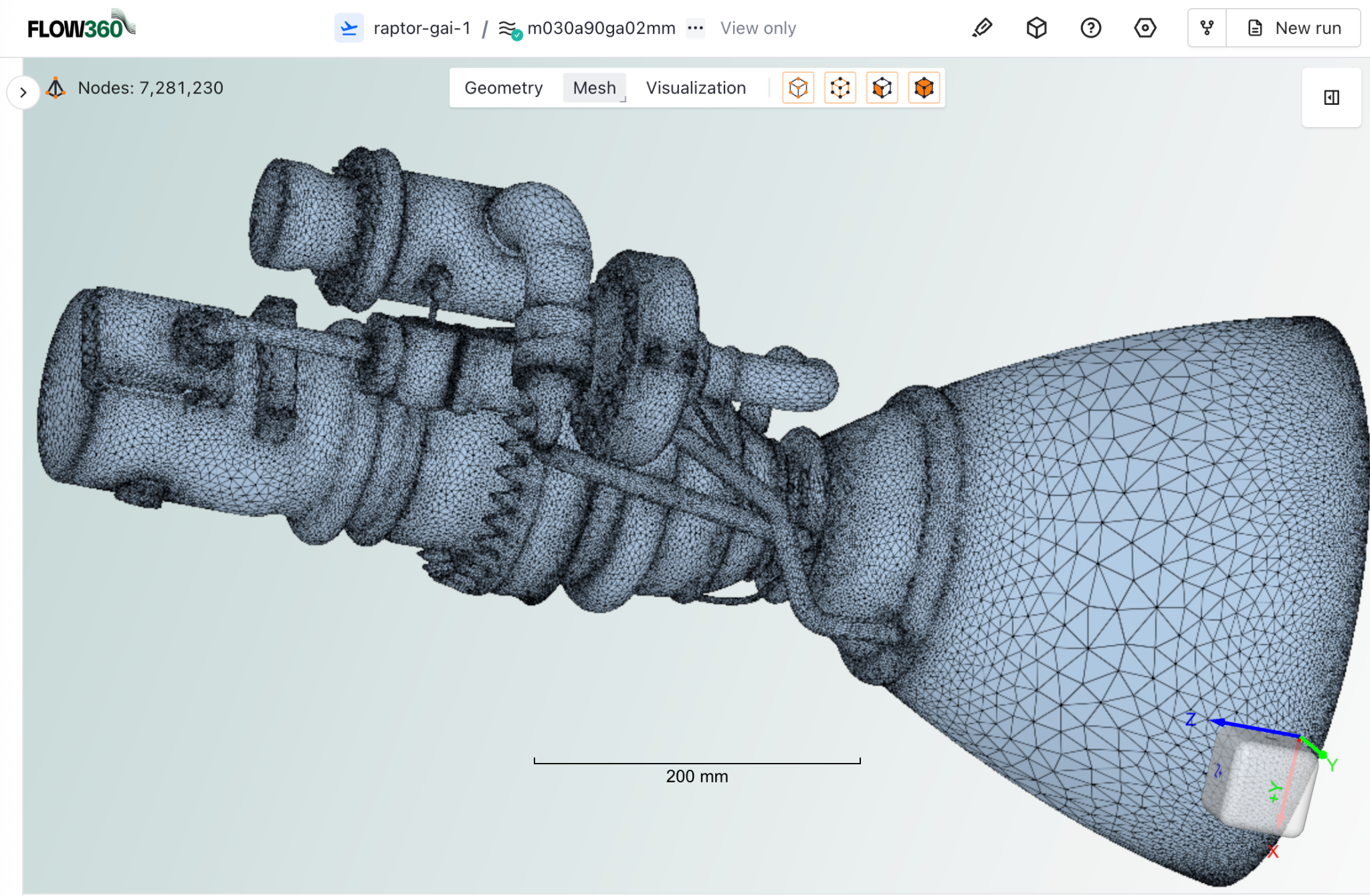
Supports direct ingestion of native CAD, including large, complex multi-part assemblies and production geometry commonly encountered in aerospace and automotive workflows. Complex surface topologies, mixed-quality geometry, and detailed assemblies can be brought into geometry preparation without requiring manual restructuring of the source model.
Applies controlled defeaturing, trimming, merging, and surface management to shape raw CAD into geometry suitable for surface meshing and downstream simulation. Feature abstraction is guided by geometric scale and resolution targets, allowing preparation behavior to align with the intended simulation objectives.
Identifies true geometric defects through topological and surface-continuity analysis, including gaps, holes, unmatched edges, degenerate surfaces, and invalid connections. Targeted repair is applied only where geometry is incomplete or inconsistent, preserving valid surfaces and complex junctions while restoring a clean, watertight representation aligned with design intent.
Produces watertight geometry suitable for reliable surface and volume meshing, resolving hidden gaps, unintended openings, and surface connectivity issues that commonly disrupt downstream meshing and solver setup.
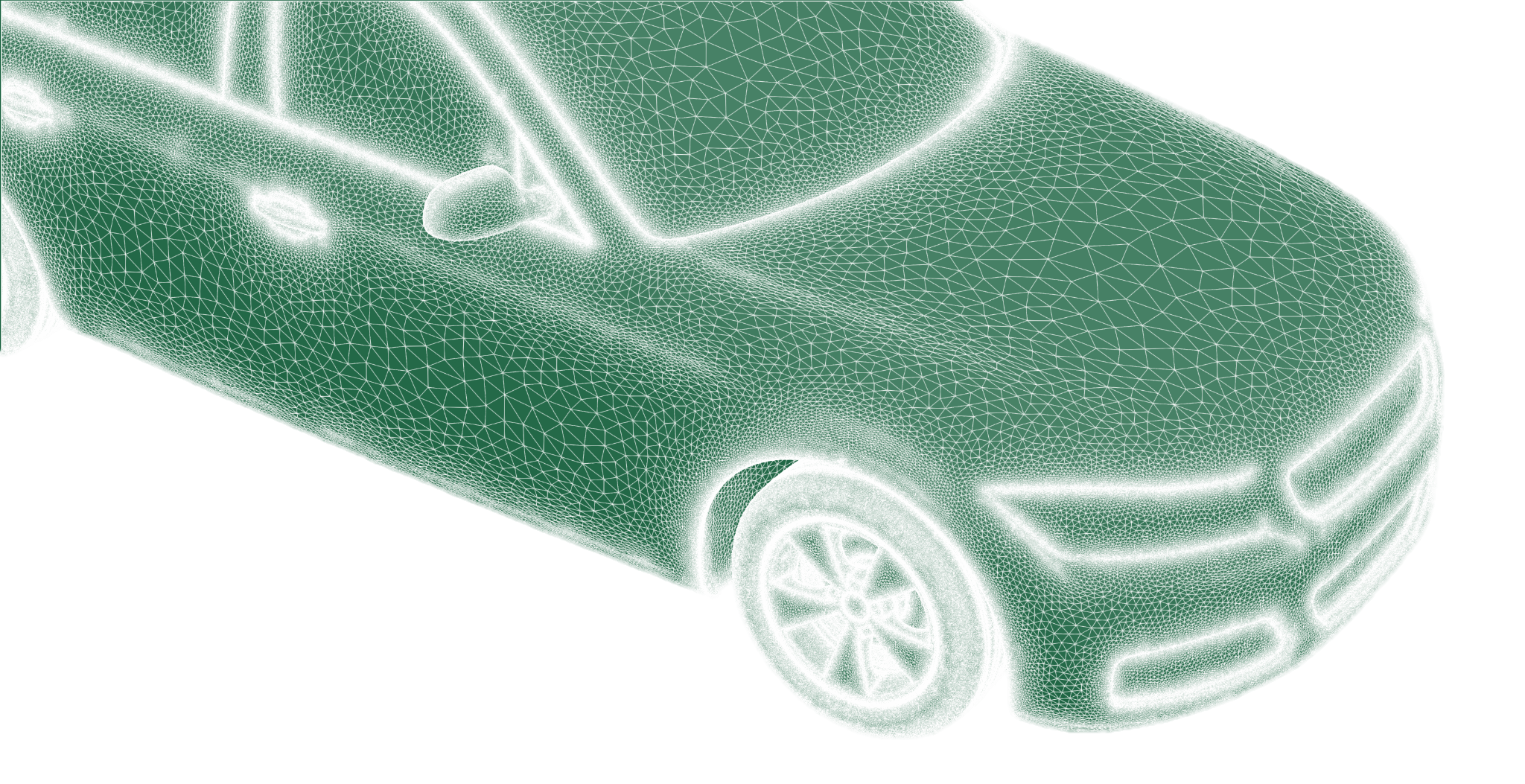
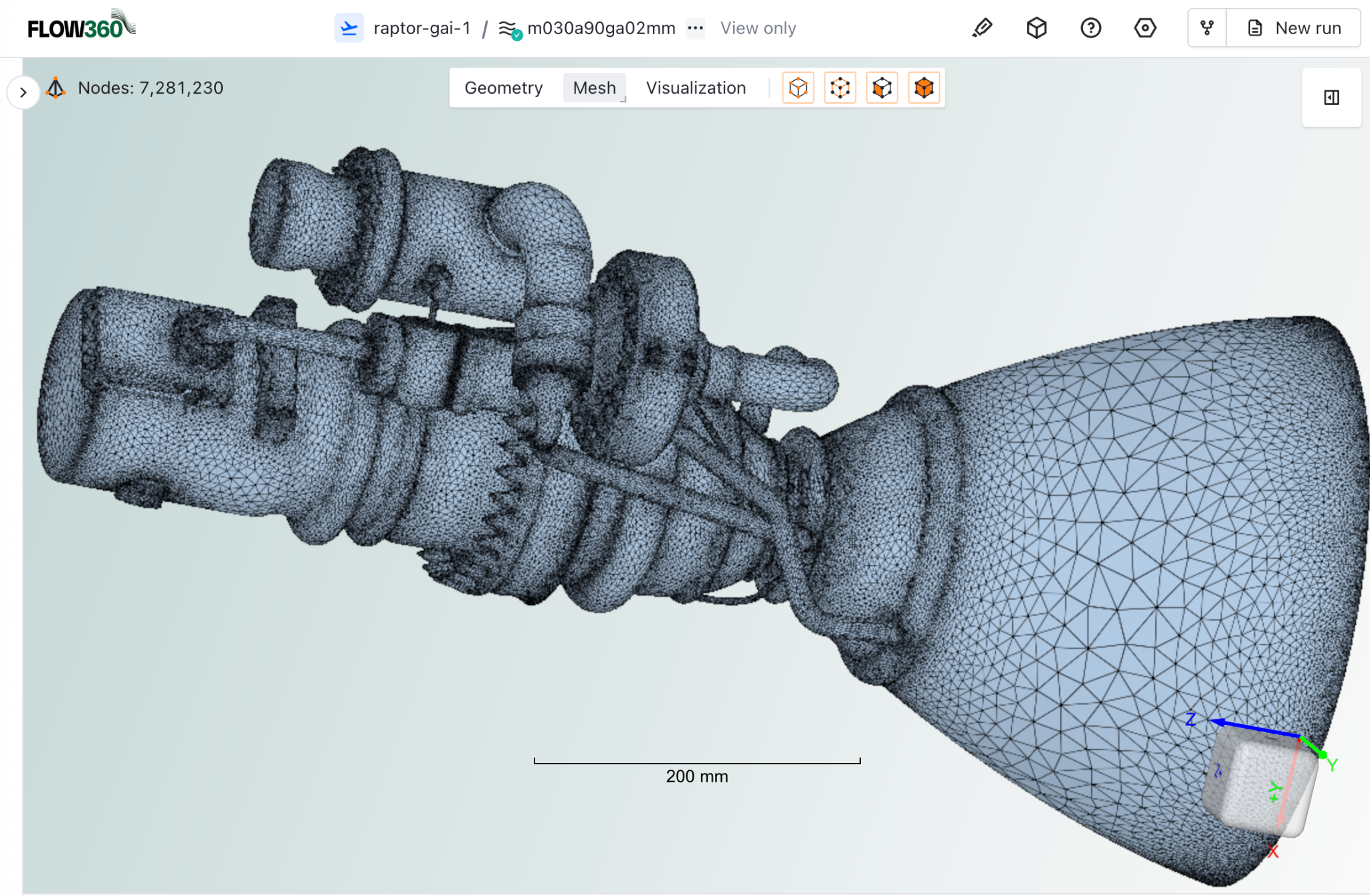
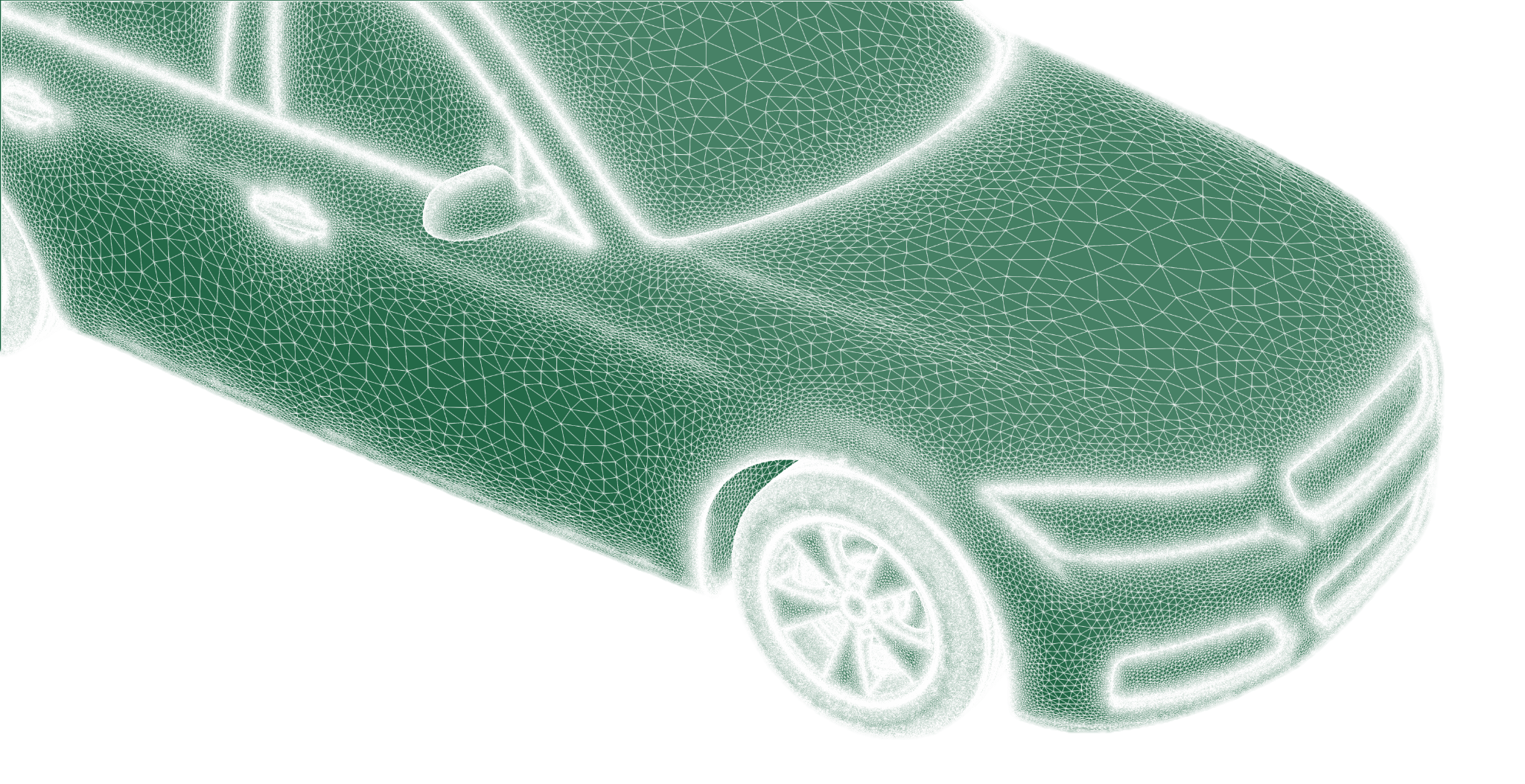
Generates surface meshes that follow geometric features, curvature, and resolution targets, producing a consistent foundation for downstream volume meshing. Local refinement is applied in regions of high curvature, surface transitions, and geometric complexity to support high-fidelity simulation.
Automatically detects common geometry issues that impact meshing and simulation, including unmatched edges, sliver surfaces, unintended holes, interior faces, and surface continuity problems. Early identification of these conditions reduces downstream meshing failures and rework.
Adapts repair and feature abstraction behavior based on model scale and simulation resolution, preserving geometry that influences flow physics while simplifying detail that does not affect the solution. This maintains alignment between geometric preparation and the fidelity requirements of the simulation.
Integrates geometry preparation, surface meshing, and simulation setup into a continuous workflow, reducing handoffs between tools and maintaining consistency between prepared geometry and downstream meshing and solver stages.
Executes geometry preparation as a programmatic step within automated simulation pipelines, enabling closed-loop workflows for large design studies, dataset generation, and design-space exploration without manual intervention in routine geometry preparation.

Thanks for subscribing

 TERMS & CONDITIONS
EFFECTIVE DATE: January 1, 2025
Terms and Conditions for User-Submitted Content
By submitting content to Flexcompute, you agree to the following terms:
1. Ownership and Copyright
2. Responsibility for Content
3. Modification and Presentation
4. Liability Disclaimer
5. Content Use Rights
6. Privacy and Confidentiality


 How the process works:
 Try this real URL to see an example:
https://www.flexcompute.com/tidy3d/q7ras6JBww
Try this real URL to see an example:
https://www.flexcompute.com/tidy3d/q7ras6JBww